
![128838[1]](https://enermak.com/wp-content/uploads/2022/04/1288381.jpg "128838[1]")
![enermak-dmtfc1[1]](https://enermak.com/wp-content/uploads/2022/04/enermak-dmtfc11-1.jpg "enermak-dmtfc1[1]")
![enermak-dmtfc3[1]](https://enermak.com/wp-content/uploads/2022/04/enermak-dmtfc31.jpg "enermak-dmtfc3[1]")
![128838[1]](https://enermak.com/wp-content/uploads/2022/04/1288381-187x187.jpg)
![enermak-dmtfc1[1]](https://enermak.com/wp-content/uploads/2022/04/enermak-dmtfc11-1-187x187.jpg)
![enermak-dmtfc3[1]](https://enermak.com/wp-content/uploads/2022/04/enermak-dmtfc31-187x187.jpg)
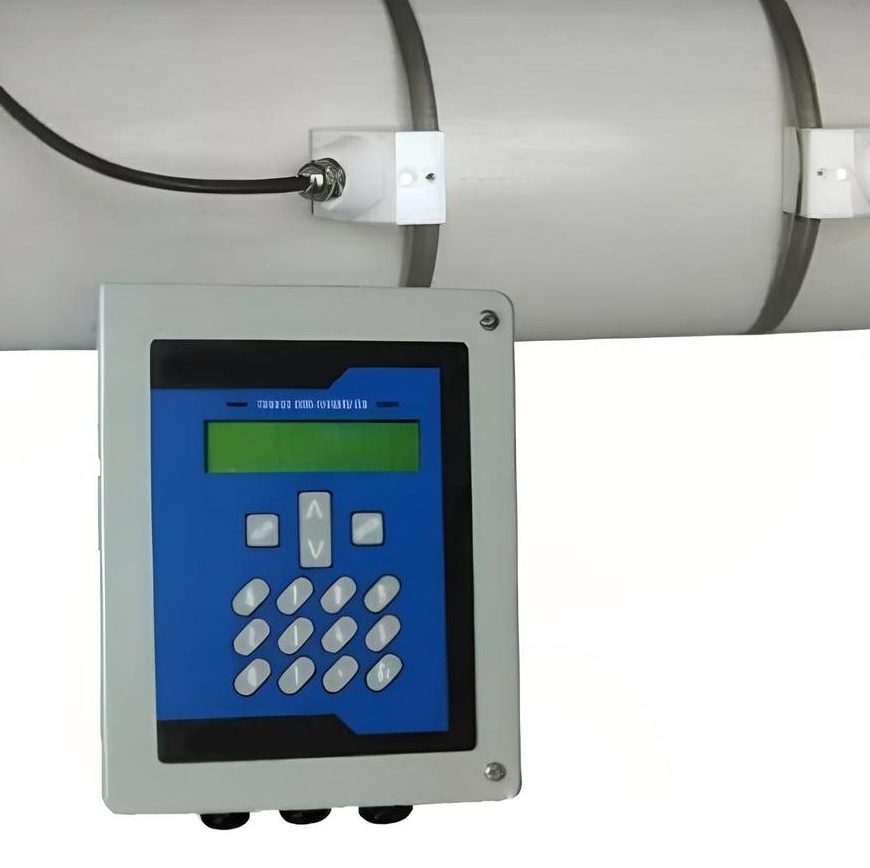
DMTF Serisi, boru hattında kesinti yapmadan kurulum imkanı sunan, 4500 mm çapa kadar geniş kullanım alanına sahip profesyonel bir ultrasonik akış ölçer sistemidir.
- Esnek Montaj: Kelepçeli (Clamp-on) veya daldırma tipi (Insertion) sensör seçenekleri.
- Yüksek Hassasiyet: Çift yönlü akış ölçümü ve gelişmiş dijital sinyal işleme (DSP).
- Dayanıklı Tasarım: -40°C ile 150°C arası çalışma sıcaklığı ve bakım gerektirmeyen yapı.
- Akıllı Kontrol: Dahili batch (parti) kontrolörü ve 8 GB SD kart veri kayıt desteği.
✔ Endüstriyel tesisler, enerji izleme ve su yönetimi için kalıcı çözüm.
- Estimated Delivery: 4-6 hafta
- Pickup from warehouse: Hızlı teslimat
DMTFB & DMTFC Serisi Ultrasonik Akış Ölçer
Ultrasonik Akış Ölçer DMTF Serisi, transit-time (geçiş süresi) teknolojisini kullanan, yüksek hassasiyetli ve duvara monte edilebilir bir akış ölçüm çözümüdür. Boru dışından veya daldırma tip (insertion) yöntemiyle, akışı kesmeden güvenilir ölçüm yapabilmeniz için son teknoloji dijital sinyal işleme (DSP) algoritmalarıyla donatılmıştır.
Teknik Özellikler ve Avantajlar
- Sıcak Kurulum (Hot-Tap): Boru hattındaki akışı durdurmadan kolay ve hızlı montaj imkanı.
- Entegre Batch Kontrol: Dahili parti kontrol özelliği ile hassas dolum ve dozajlama yönetimi.
- Geniş Ölçüm Aralığı: ± 40 m/s (± 12 m/s standart) çift yönlü akış hızı ölçümü.
- Boru Çapı Esnekliği: 65 mm’den 4570 mm’ye kadar çok geniş boru çapı desteği.
- Bakımsız Tasarım: Hareketli parça içermez, basınç kaybına neden olmaz ve uzun vadeli kararlılık sunar.
- Gelişmiş Veri Kaydı: 8 GB’a kadar SD kart desteği ile kullanıcı tanımlı aralıklarla veri loglama.
- Yüksek Sıcaklık Dayanımı: -40 ℃ ile 150 ℃ arasındaki zorlu çalışma koşullarına uygun yapı.
- Sinyal Kalitesi İzleme: Kendi kendine adapte olan teknoloji ile farklı boru malzemelerinde otomatik optimizasyon.
Seri DMTFC: Ekleme Tipi Ölçüm
DMTFC Ekleme Tipi (Wet-type) sensörler, boru duvarına doğrudan monte edilmelerine rağmen akış profilini bozmaz veya basınç düşüşüne neden olmazlar. Özellikle uzun süreli istikrarın kritik olduğu uygulamalarda, ultrasonik bileşik (gel) ihtiyacını ortadan kaldırarak bağlantı problemlerini minimize eder ve en yüksek doğruluk oranlarını sunar.
Uygulama Alanları
Atık Su & Kanalizasyon
Petrol, Dizel & Akaryakıt
Gıda & İlaç Endüstrisi
HVAC & Enerji İzleme
Measurement Principle
DMTF debimetreler, karşılıklı yerleştirilen iki transdüser arasındaki ultrasonik sinyal iletim hızı farkını (Transit-Time) temel alır. Akış yönündeki sinyal, ters yöndeki sinyale göre daha hızlı ilerler. Bu zaman farkı ($\Delta t$), akış hızıyla doğru orantılıdır. Cihazımız; boru çapı ve sıvı özelliklerine göre otomatik olarak V-Yöntemi, Z-Yöntemi veya W-Yöntemi montaj konfigürasyonlarını destekler.
Hız Formülü: $V = K \cdot D \cdot \Delta t$
(V: Sıvı Hızı, K: Sabit, D: Sensör Mesafesi, $\Delta t$: Zaman Farkı)
Broşürler
TR – EN